
The modern water softener is designed to fit into an under counter cupboard. Typically sited in the kitchen, utility room, garage, outside and a few other places downstairs.
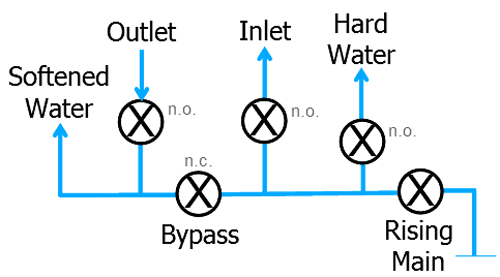
The usual installation involves softening all the water in the house from the rising main stopcock with the exception of a new hard water at the kitchen sink if possible and sometimes the garden tap as well.
In general terms, put the machine where it is easy to get to for filling with salt and run all the pipes back to the rising main stopcock.
That said, putting it in the kitchen sink cupboard regardless is just lazy and usually inappropriate because the sink cupboard is typically the busiest cupboard in the whole property and another location is usually better, even under the drainer would be better. A slightly harder installation is better than a hard to access water softener for you the owner.
Locations need to satisfy the following:
All that sounds scary and too involved and it is true that there is a lot more involved in a water softener installation than most people realize. The Marlborough factory has accumulated an unparalleled depth of installation knowledge since 1982. We have often shown prospective customers how it can be done when others have said it can't be done.
Our installations are quick, neat and completed in one day by qualified plumbers who are experienced and great at what they do.
We would be pleased to advise on suitable softener sites in your home as part of our free home site survey service, without obligation.